SAM Frida
Unfiltered – ish
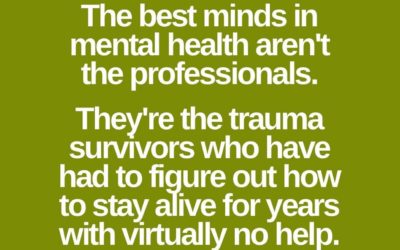
World Mental Health Day: Honoring the Real Experts
On this World Mental Health Day, let’s take a moment to honor the trauma survivors—the real experts who have been battling in silence. These individuals, without formal training or professional titles, have navigated the complexities of survival with courage and...
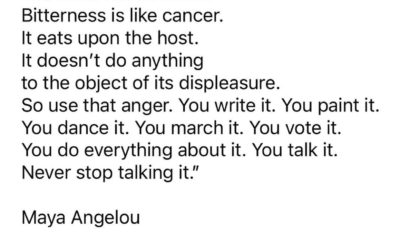
Anger as a Signal
We’ve been taught to believe that anger is wrong, something to be hidden or suppressed. We pretend we don’t feel it, or worse, convince ourselves it doesn’t exist. But emotions are signals. They point us to where we’re hurting. When we ignore or deny them, the impact...
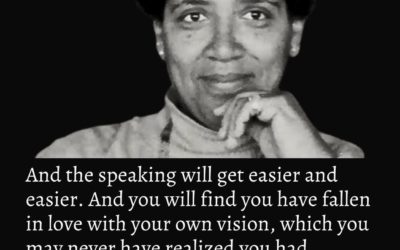
The Power of Speaking Your Truth
I wish I could roll up the perfect ingredients for healing and speaking your truth and hand them to you like a recipe. But the reality is, everyone’s journey is different. The time it takes to process, to heal, and to stand tall in your truth—it’s all unique to each...

Why You Should Watch Fauda: More Than Just Action
If you’re in the mood for a series that pulls you in with its intensity while making you think deeply about human conflict, Fauda is worth your time. It’s not just another action series; it’s a raw, gritty look at the Israeli-Palestinian conflict, told from both...

The Power of Silence
In a world where achievements and accolades are celebrated, we often forget that silence can be the loudest statement we make. Silence is a response. It reflects what we are willing to ignore, even as we claim to care about humanity. We can accomplish great things in...
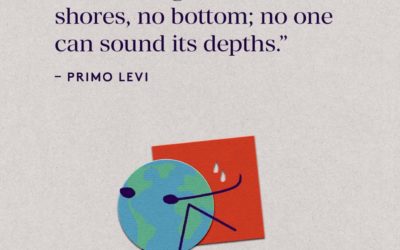
The Sea of Grief Has No Shores
Primo Levi’s words echo a truth that many of us have felt, yet perhaps don’t know how to put into words: “The sea of grief has no shores, no bottom; no one can sound its depths.” We often underestimate the journey of grief and even judge others by how long it takes...

Wise Words from Uncle Bob
Until the philosophyWhich holds one race superior and anotherInferiorIs finallyAnd permanentlyDiscreditedAnd abandonedWell, everywhere is warIs your war And until there’s no longer first-class and second-class citizen of any nationUntil the color of a mans skin is of...
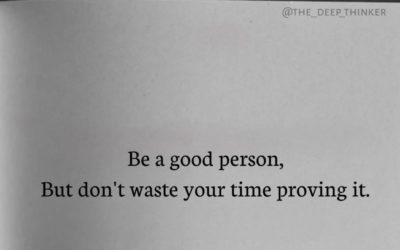
The Power of Quiet Confidence
There is so much power in the simple statement, “Be a good person, but don’t waste your time proving it.” It’s one of those truths that you could hear a decade ago and understand on a surface level. But as you grow, heal, and become more comfortable and confident in...

Covert Acts
Abuse comes in different forms. This one is a mind-fuck. You can’t explain it but you will feel something doesn’t feel right. Believe your gut at all costs, and find a good therapist to guide you through the healing process. You could spend years of your life chasing...